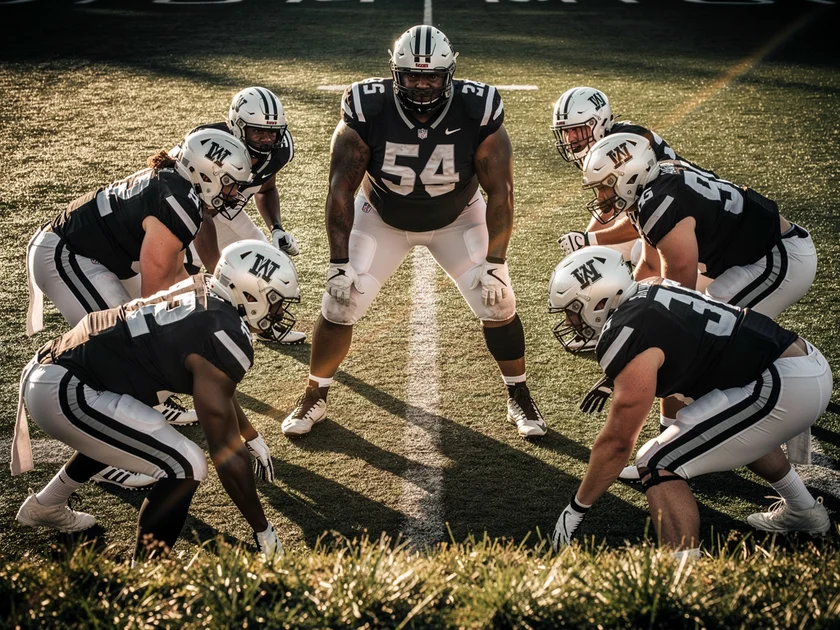
The Philadelphia Eagles, the team built around Saquon Barkley’s ground-and-pound identity, are fielding trade calls on defensive tackle Jalen Carter as the 2026 offseason roster crunch intensifies. ESPN’s Jeremy Fowler reported that multiple franchises have already reached out to general manager Howie Roseman about acquiring the former first-round pick. The timing is notable: Roseman just locked up fellow defensive tackle Jordan Davis on a long-term extension, which immediately forced a hard decision on Carter’s future in Philadelphia.
Philadelphia’s front office brass now confronts a classic cap architecture dilemma. The Eagles cannot reasonably extend both Davis and Carter without creating serious salary cap complications. Reported trade interest from five franchises — the Green Bay Packers, Chicago Bears, Seattle Seahawks, San Francisco 49ers, and Las Vegas Raiders — suggests Roseman has genuine leverage if he decides to move Carter. For a team whose offensive identity runs directly through Saquon Barkley’s workload and the offensive line’s ability to impose its will, the defensive side of the roster demands equal strategic attention.
Why the Jordan Davis Extension Triggered the Carter Situation
The Davis extension is the direct catalyst here. By committing long-term cap space to Davis at nose tackle, Philadelphia created a financial ceiling that makes retaining Carter — now eligible for his own new deal — structurally difficult within the same defensive front.
The two players occupy complementary but overlapping roles in coordinator Vic Fangio’s scheme. Paying both at market rate would constrain Roseman’s flexibility across the rest of the roster. That’s the math driving this conversation.
Carter’s profile explains why outside teams are calling. As the No. 9 overall pick in the 2023 NFL Draft out of Georgia, he carries pass-rush upside that interior defensive linemen rarely possess. His disruption rate in the A and B gaps ranked among the better interior rushers in the NFC last season, even when raw sack totals didn’t fully reflect that pressure generation. Teams running 4-3 base packages — particularly the Bears under their rebuilt front office and the Seahawks under coordinator Aden Durde — would view Carter as an immediate upgrade at three-technique.
Roseman’s track record on these decisions matters. The Eagles’ general manager has shown a willingness to trade talented players when the market offers premium draft capital — a philosophy that has fueled Philadelphia’s sustained contention window. Whether Carter fits that pattern depends heavily on what teams like the Raiders or 49ers are willing to surrender.
Saquon Barkley and the Eagles’ Roster Balance
Read more: Buffalo Bills Re-Sign Connor McGovern to
Saquon Barkley’s presence as the offensive centerpiece shapes how Philadelphia must construct its defense. A run-first offense that controls time of possession reduces the defensive snap count, which theoretically allows Roseman to absorb some pass-rush regression if Carter departs. The Eagles’ defensive line depth — with Davis anchoring the middle on a fresh long-term deal — provides a floor that most franchises would envy even without Carter in the rotation.
Philadelphia’s offense under coordinator Kellen Moore has leaned heavily on Barkley’s ability to generate yards after contact. That tendency forces defensive coordinators into heavier box alignments, which in turn opens the passing game for a deep wide receiver group. The roster balance question, then, is whether the Eagles are better served by retaining Carter’s disruptive interior presence or converting that asset into draft capital for secondary depth or offensive line continuity.
Three seasons of Roseman’s roster management reveal a consistent pattern: the Eagles prioritize the offensive line and skill positions over retaining expensive interior defenders when the trade market is favorable. That pattern, combined with confirmed calls from five distinct franchises, suggests a deal is more plausible than typical offseason noise warrants.
Which Teams Are Calling — and What They Offer Philadelphia
Five franchises have reportedly expressed interest in Carter: the Packers, Bears, Seahawks, 49ers, and Raiders. Each represents a distinct motivation. Green Bay has rebuilt its defense under coordinator Jeff Hafley and lacks a true three-technique disruptor. Chicago, flush with cap space after years of rebuilding, can absorb Carter’s contract demands without structural strain. San Francisco’s scheme under new defensive leadership has historically valued versatile interior linemen who collapse the pocket on passing downs.
The Raiders’ interest carries a different logic. Las Vegas has been aggressive in pursuing defensive line talent, and Carter’s age — he entered the league in 2023 — aligns with their projected competitive window. Seattle, meanwhile, holds sufficient draft capital from recent trades to make a compelling offer without gutting their own depth chart. Based on ESPN’s reporting, Roseman has not yet signaled a preference for any specific trade partner, which suggests the bidding process is genuinely open.
Key Developments in the Eagles’ Defensive Restructuring
Read more: Philadelphia Eagles Face Steep Price in
- ESPN’s Jeremy Fowler specifically reported that Philadelphia has received trade calls on Carter, making this a confirmed market inquiry rather than speculation.
- Carter’s trade eligibility for discussion purposes was triggered once Davis’s extension was finalized, as the two deals would overlap significantly on the Eagles’ projected cap sheet.
- The Packers and Giants are also connected to a broader set of defensive line trade conversations circulating league-wide this offseason, per Sporting News reporting.
- Roseman has not publicly confirmed or denied intent to trade Carter, preserving his negotiating position with both potential suitors and Carter’s own camp.
- The Raiders have been connected to separate Packers and Chargers trade discussions as well, indicating an aggressive defensive acquisition strategy across multiple fronts this cycle.
What Happens Next for Philadelphia’s Defense?
Philadelphia’s next move hinges on whether Roseman can extract first-round value for Carter or must settle for a second-round package. Five-team competition is the most favorable scenario for the Eagles, since contested bidding historically drives acquisition costs upward. A first-round pick would almost certainly prompt Roseman to pull the trigger, given the Eagles’ established draft-and-develop philosophy on the defensive line.
A counterargument deserves serious consideration, though. Carter at full extension cost might still be cheaper — on a per-snap disruption basis — than replacing his production through the draft. Interior pass rushers with Carter’s combination of quickness and power are genuinely scarce. The Eagles’ Super Bowl contention window, anchored by Saquon Barkley’s prime years and a deep skill position group, argues for retaining elite defensive talent rather than cycling through developmental replacements. The salary cap implications of either path will define Philadelphia’s roster construction through at least the 2028 season. Roseman’s decision, expected to crystallize before the start of the league year, will reveal whether the Eagles are managing for the present or positioning for a longer competitive arc.
Frequently Asked Questions
Why are the Eagles considering trading Jalen Carter?
The Eagles’ decision to extend defensive tackle Jordan Davis on a long-term deal created a cap overlap that makes retaining Carter — who is eligible for his own extension — financially difficult within the same defensive front. Roseman has historically converted expensive interior defenders into draft capital when the trade market is competitive.
Which teams have expressed interest in Jalen Carter?
Five franchises have been reported as interested: the Green Bay Packers, Chicago Bears, Seattle Seahawks, San Francisco 49ers, and Las Vegas Raiders. The Bears and Seahawks are viewed as particularly motivated fits given their 4-3 base defensive schemes, which benefit most from a three-technique disruptor of Carter’s caliber.
How does Saquon Barkley’s role affect the Eagles’ defensive decisions?
Saquon Barkley’s run-heavy offensive role helps control time of possession, which reduces the total snap burden on Philadelphia’s defense. That dynamic gives Roseman slightly more room to absorb pass-rush regression on the defensive line if a trade materializes, since the offense’s ball-control design limits opponents’ scoring opportunities.
What draft compensation might the Eagles receive for Carter?
Roseman is reportedly seeking first-round value, though a second-round package is considered the floor based on comparable interior defensive line trades in recent NFL offseasons. Carter’s 2023 draft pedigree as a top-10 pick and his age profile strengthen Philadelphia’s leverage in negotiations with multiple bidders competing simultaneously.
When is a decision on Carter expected?
A resolution is expected before the start of the new NFL league year, which typically opens in mid-March. That deadline creates urgency for both the Eagles and interested teams, since Carter’s contractual situation becomes more complex once free agency begins and competing roster needs are addressed elsewhere around the league.