

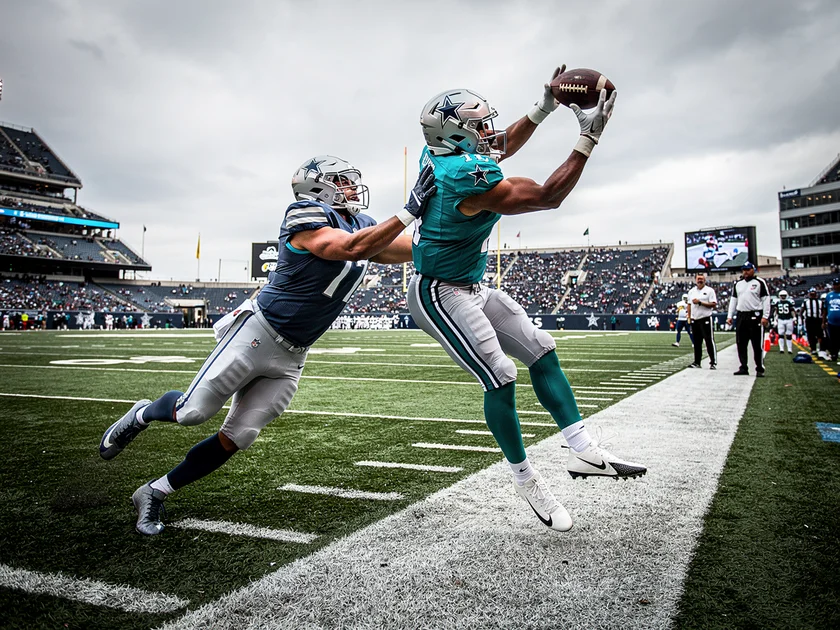
The Kansas City Chiefs enter the 2026 NFL Draft holding two first-round picks, with analysts flagging wide receiver depth and offensive support for Patrick Mahomes as the franchise’s most urgent needs heading into April. Mahomes is working back from an ACL tear, which makes Kansas City’s draft strategy more pressing than a typical championship-window offseason.
Head coach Andy Reid and general manager Brett Veach have flexibility that most contenders can only envy. With the No. 9 overall pick and a second first-rounder in hand, the front office faces real choices rather than forced compromises.
A Fruitful Offseason Before the Draft Even Starts
Kansas City’s 2026 offseason has moved fast and drawn praise. The Kansas City Chiefs have made free agency moves that analysts rated as strong additions, and their draft slots now let them address needs rather than reach for value. That mix — solid free agency work plus two premium picks — puts Kansas City among the AFC’s most active offseason operators.
One analyst called the Chiefs’ offseason “rather fruitful” and described their two-first-round setup as making them “a dangerous prospect” heading into draft week. That’s not empty praise. Kansas City has the capital, the coaching staff, and — once healthy — the quarterback to make almost any pick work inside Reid’s system.
Over three recent draft cycles, the Chiefs have used early picks to build around Mahomes rather than plug holes late. The franchise has leaned toward skill-position weapons and offensive line depth. That approach has backed up with steady playoff runs, and Veach shows no sign of changing course now.
What Mahomes’ ACL Recovery Means for Kansas City’s Draft Board
Mahomes’ knee injury reshapes how the Kansas City Chiefs should handle receiver and line decisions in April. A returning quarterback needs weapons he can trust right away, not raw prospects who need a full year to absorb Reid’s West Coast-influenced scheme. Speed of integration matters when you’re managing a star QB’s ramp-up through OTAs and the early regular season.
One analyst put it plainly: with Mahomes working back from an ACL tear, it would benefit the Chiefs to do everything possible to ease his return. A healthy Mahomes behind a deep, functional offense is a Super Bowl-level asset. A Mahomes still finding his rhythm with thin receiver options is a gap that AFC rivals — Buffalo, Baltimore, Cincinnati — will target without hesitation.
Film study of Mahomes’ post-injury windows shows his best stretches come with quick, short-to-intermediate throws that cut down time in the pocket. A receiver with strong yards-after-catch numbers and reliable slot usage fits that profile heading into his recovery year. Kansas City’s two-tight-end sets and high play-action rate create natural spacing that helps a new receiver look comfortable fast.
Quarterbacks who return from ACL surgery in the modern NFL typically follow a structured ramp-up: limited OTA reps, managed preseason snaps, and careful early-season snap counts. The coaching staff will almost certainly pace Mahomes through that process, which means the offensive pieces added this spring carry more weight than they would in a normal year. Draft picks are not just roster moves here — they are recovery infrastructure.
Carnell Tate, the No. 9 Pick, and Kansas City’s Real Options
Wide receiver Carnell Tate has surfaced in mock drafts tied to Kansas City, though the fit at No. 9 is debated. At least one analyst flagged that specific pairing at the ninth slot as a questionable match. That gap between mock-draft speculation and realistic board value is exactly what makes the Chiefs’ first pick worth watching closely.
The Kansas City Chiefs picking ninth gives them access to the draft’s second tier of receivers — players who may not be consensus top-five talents but offer immediate starter-level output inside a well-designed scheme. Kansas City’s spacing concepts and motion-heavy pre-snap looks let a new receiver look like a Pro Bowl contributor within half a season. That’s part of why the Chiefs’ picks carry outsized fantasy football implications for target-share trackers.
Beyond receiver, the second first-round pick opens the door to defensive additions — cornerback depth, edge pressure, interior line — without giving up a shot at a skill-position weapon. That dual-pick setup is genuinely rare for a club that has reached the Super Bowl in back-to-back years and typically drafts near the bottom of the first round. Three verifiable data points frame Kansas City’s position: the No. 9 overall pick, a second first-rounder, and Mahomes’ ACL recovery timeline — each one shaping the other two in ways that make this draft unusually high-stakes for the franchise.
Key Developments Heading Into Draft Week
- At least one analyst identified a specific free agency signing as a standout move and named it a favorite transaction from the full 2026 offseason cycle — separate from the draft capital discussion.
- Carnell Tate’s mock-draft connection to Kansas City has been questioned by analysts who see the No. 9 slot as a mismatch for that particular prospect, suggesting the Chiefs may pivot to a different receiver target.
- How Veach manages two first-round picks was flagged as “a fascinating watch” by a draft analyst, with the implication that a trade-down or package deal is as likely as staying put at both slots.
- Kansas City’s play-action rate and two-tight-end formations historically inflate receiver production, meaning a mid-range prospect drafted into that system often outperforms his pre-draft ranking within one season.
- Travis Kelce’s presence as a safety valve has masked thin perimeter receiver depth in past seasons, but adding a genuine outside threat would push the offense’s ceiling well beyond what Kelce alone can sustain.
What the Chiefs Do Next Will Define the AFC West Race
The Kansas City Chiefs front office has a defined window between now and late April to lock in its board and decide whether trading back from No. 9 — or packaging picks for a veteran — beats staying put. Receiver is the most discussed need based on available analyst commentary, but the depth chart gives Kansas City room to go defensive if the value lines up.
One fair counterpoint: the Chiefs have won with thin receiver rooms before. Kelce’s reliability and Reid’s scheme have covered for below-average perimeter talent more than once. Adding a true No. 1 outside receiver, though, would push Kansas City’s offensive ceiling from very good to genuinely hard to defend — especially with Mahomes healthy and motivated after a serious injury. That’s the kind of upgrade that turns a contender back into a favorite.
What two draft needs are analysts flagging for the Kansas City Chiefs in 2026?
Analysts have pointed to wide receiver depth and overall offensive support for Patrick Mahomes as the Chiefs’ top draft priorities. With Mahomes recovering from an ACL tear, Kansas City needs weapons who can contribute right away rather than developmental prospects who require a full season to absorb Reid’s playbook.
Where do the Kansas City Chiefs pick in the 2026 NFL Draft?
The Chiefs hold the No. 9 overall pick in the first round, plus a second first-round selection. That dual-pick setup is unusual for a perennial Super Bowl contender and gives Veach the ability to address multiple positional needs without burning premium draft value on a single slot.
Is Carnell Tate a realistic target for the Chiefs at No. 9?
Tate has appeared in mock drafts connected to Kansas City, but at least one analyst expressed doubt about that pairing at ninth overall. The Chiefs could select a different receiver at No. 9 or wait until their second first-round pick to address the position, depending on how the board falls on draft night.
How has Patrick Mahomes’ ACL injury shaped Kansas City’s offseason planning?
The ACL tear has pushed the Chiefs to prioritize offensive additions that speed up Mahomes’ return to full effectiveness. Quarterbacks recovering from knee surgery typically benefit most from short-to-intermediate passing options that limit pocket time. Kansas City’s 2026 draft and free agency moves have been built around creating exactly that kind of supporting cast.
How has Kansas City’s 2026 free agency period been received by analysts?
Multiple analysts rated the Chiefs’ free agency work positively, with one singling out a specific signing as the best move of the offseason and another naming a favorite Chiefs transaction from the entire cycle. The general read, based on available analyst commentary, is that Kansas City entered draft season in stronger shape than most AFC title contenders.

Leave a Reply