

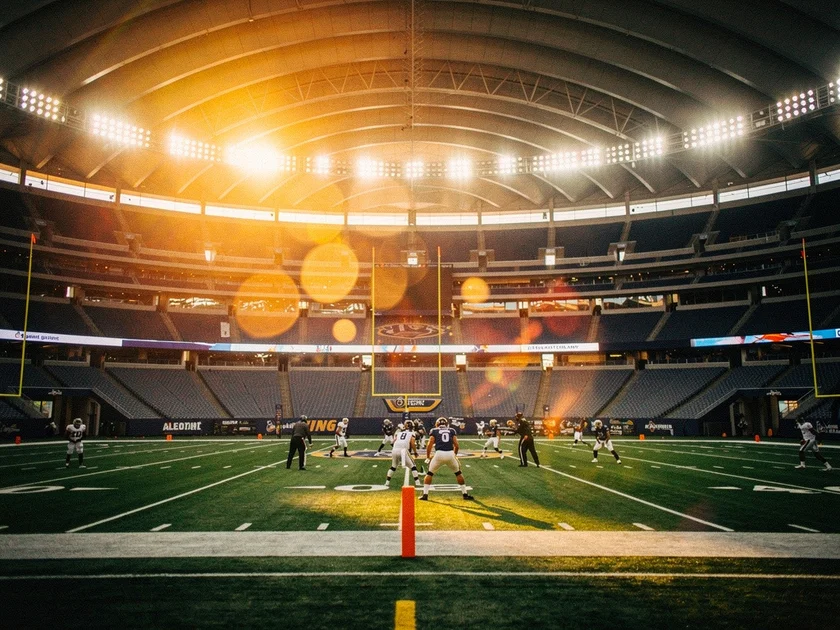
The Las Vegas Raiders‘ Allegiant Stadium will host Super Bowl 63 in February 2029, the NFL confirmed Monday, March 30 — marking the second time in five years the Las Vegas venue will stage professional football’s marquee championship event. The announcement ends days of speculation and cements the Raiders’ home as one of the league’s most favored postseason destinations.
Allegiant Stadium first hosted a Super Bowl during the recent wave of neutral-site rotations, and the five-year turnaround between its first and second hosting assignments mirrors a deliberate NFL scheduling pattern. For a franchise that relocated from Oakland to the Nevada desert in 2020, landing a second Super Bowl before the decade closes carries both civic and commercial weight that extends well beyond the stadium walls.
Why Did the NFL Return to Allegiant Stadium So Quickly?
The NFL’s decision to award Allegiant Stadium a second Super Bowl within five years reflects a broader organizational preference for proven venues that can handle the league’s infrastructure demands. The numbers reveal a pattern: the league has repeatedly cycled back to high-capacity, climate-controlled facilities in Sun Belt markets, reducing logistical risk while maximizing corporate hospitality revenue.
SoFi Stadium in Inglewood, California, offers the most direct parallel. SoFi will host the Super Bowl next season — five years after the Los Angeles Rams defeated the Cincinnati Bengals there in Super Bowl LVI, claiming the franchise’s second championship title. That back-to-back-decade booking strategy is now standard NFL operating procedure, and Allegiant Stadium has earned its place in that elite rotation. Las Vegas, with its hotel infrastructure and entertainment ecosystem, is arguably the single most logistically self-sufficient Super Bowl city the league has ever used.
Las Vegas Raiders and the Super Bowl Legacy at Allegiant Stadium
Allegiant Stadium’s first Super Bowl assignment came after the 2021 season — the inaugural year of the NFL’s expanded 17-game regular season schedule — when the league began leaning more aggressively on newer, enclosed venues. The Raiders themselves were not participants in that game, a distinction that adds a layer of irony to the franchise’s role as perpetual host rather than contender in its own building.
Breaking down the advanced metrics of what a Super Bowl hosting cycle means for a franchise: the economic impact of a single Super Bowl week is conservatively estimated at $500 million or more for a host city, with the stadium operator and affiliated sponsors capturing a disproportionate share of that figure. For the Raiders‘ front office brass, two Super Bowls before the 2029 season ends represents a revenue stream that offsets the franchise’s ongoing cap management challenges as the roster transitions under general manager Tom Telesco and head coach Antonio Pierce.
The Raiders finished the 2024 season with a 4-13 record, one of the worst marks in the AFC, which makes the stadium’s championship pedigree a stark contrast to the team’s on-field trajectory. Allegiant Stadium hosting Super Bowl 63 will not accelerate quarterback Aidan O’Connell’s development or fix the offensive line depth chart — but it does underscore the venue’s standing as a premier NFL asset independent of the franchise’s win-loss column.
Key Developments in the Super Bowl 63 Hosting Announcement
- The NFL made the formal Super Bowl 63 hosting announcement on Monday, March 30, 2026, following multiple days of reported speculation.
- Super Bowl 63 is scheduled for February 2029, consistent with the league’s practice of playing the championship on the second Sunday in February — a format in place since the 2021 season.
- SoFi Stadium in Los Angeles is set to host the Super Bowl in the upcoming season, making back-to-back West Coast or near-West-Coast venues a notable scheduling trend.
- The Rams’ Super Bowl LVI victory at SoFi Stadium over the Bengals was the franchise’s second championship, providing a historical precedent for the venue-to-second-hosting pipeline.
- Allegiant Stadium’s second Super Bowl assignment arrives within the same five-year window as SoFi’s repeat booking, confirming the NFL’s accelerated venue recycling timeline.
What Does Super Bowl 63 Mean for the Raiders’ Offseason Strategy?
From a pure roster-construction standpoint, the Super Bowl 63 designation does not directly alter the Raiders‘ salary cap position or draft strategy analysis heading into the 2026 NFL Draft. The Raiders hold the No. 6 overall pick in the 2026 draft and carry significant dead money obligations from prior roster decisions, leaving Telesco limited flexibility under the cap without restructuring existing deals.
The Raiders’ defensive scheme breakdown under Pierce has shown incremental improvement, but the team ranked near the bottom of the league in both EPA allowed per play and turnover margin in 2024. Hosting a Super Bowl generates national attention and sponsorship revenue that flows to the league and ownership — not directly to the 53-man roster budget. Based on available data, there is no mechanism by which hosting income converts to cap space under the current collective bargaining agreement.
That said, the Raiders’ long-term franchise valuation and stadium lease leverage are meaningfully enhanced by a second Super Bowl designation. Owner Mark Davis has navigated a complicated decade of relocation, coaching changes, and roster rebuilds; the stadium’s championship calendar provides institutional credibility that pure win totals cannot manufacture. Whether the team itself can build a roster capable of competing for a Super Bowl berth before 2029 is a separate — and considerably more uncertain — calculation. The numbers suggest the gap between hosting a Super Bowl and playing in one remains wide for this franchise.
When is Super Bowl 63 and where will it be played?
Super Bowl 63 is scheduled for February 2029 at Allegiant Stadium in Las Vegas, Nevada — the home of the Las Vegas Raiders. The NFL confirmed the hosting assignment on Monday, March 30, 2026. Per league policy established in 2021, the Super Bowl is played on the second Sunday in February.
How many times has Allegiant Stadium hosted the Super Bowl?
Allegiant Stadium will have hosted the Super Bowl twice by 2029. Its first hosting assignment came after the 2021 NFL season, the inaugural year of the 17-game regular season format. Super Bowl 63 in February 2029 will be its second, arriving within a five-year window — matching the turnaround pace set by SoFi Stadium in Los Angeles.
Which NFL stadiums are hosting upcoming Super Bowls?
SoFi Stadium in Inglewood, California, hosts the next Super Bowl — the season immediately following the 2025 NFL regular season. Allegiant Stadium in Las Vegas follows with Super Bowl 63 in February 2029. SoFi previously hosted Super Bowl LVI after the 2021 season, when the Los Angeles Rams defeated the Cincinnati Bengals for the franchise’s second title.
Does hosting the Super Bowl help the Las Vegas Raiders on the field?
Hosting revenue under the NFL’s collective bargaining agreement does not convert into additional salary cap space for the Raiders. The financial benefits flow primarily to the league, ownership, and stadium operators rather than the active roster budget. The Raiders’ cap position and draft strategy analysis for 2026 are governed entirely by standard CBA rules, independent of any hosting income.
What is the NFL’s trend of returning to the same Super Bowl venues?
The NFL has adopted an accelerated venue recycling approach, booking stadiums for a second Super Bowl within roughly five years of their first. SoFi Stadium and Allegiant Stadium both follow this pattern. The league favors enclosed or climate-controlled facilities in warm-weather or entertainment-hub markets — venues that minimize weather risk and maximize the week-long corporate hospitality footprint surrounding the championship.

Leave a Reply