

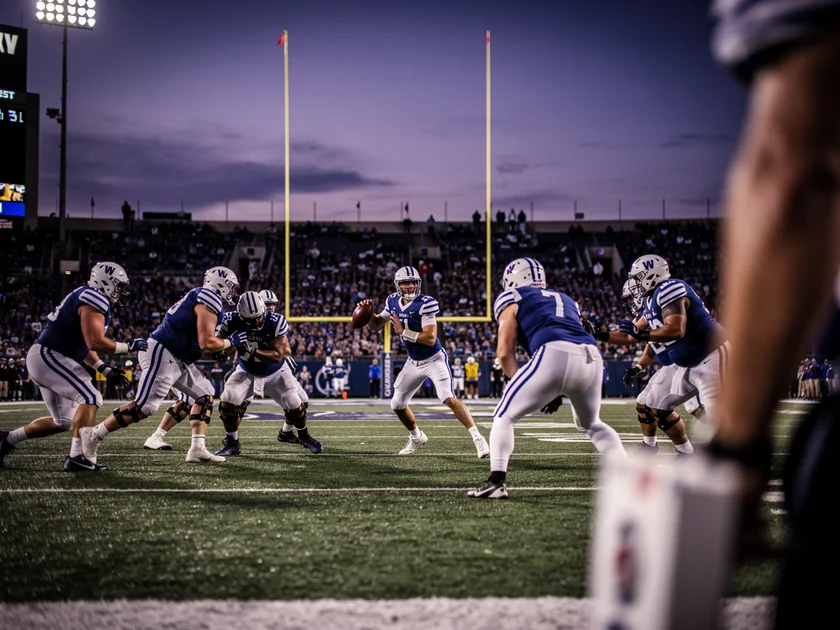
The Buffalo Bills are the NFL team most likely to trade down in the first round of the 2026 NFL Draft, according to ESPN draft analyst Matt Miller. General manager Brandon Beane has built a reputation around that exact kind of move, and with Buffalo holding just three picks in the first four rounds, the front office has real incentive to add capital before April’s draft arrives.
Buffalo is currently slotted at No. 26 overall. That pick sits in a range where value can swing fast depending on how the board falls — and Beane has never been shy about pulling the trigger when the price is right.
Brandon Beane and the Buffalo Bills’ History of First-Round Deals
Brandon Beane has made first-round trade activity a near-annual tradition in Buffalo. Under his front office leadership, the Bills have repeatedly moved their first-round selection — sometimes up, sometimes down — to reshape the roster or stockpile future assets. That pattern is exactly why Miller flagged the Bills as his top candidate for a trade-down in April.
Breaking down the advanced metrics on draft capital management, teams picking in the 20-to-32 range often maximize value by sliding back five to eight spots and collecting an additional Day 2 selection. Buffalo’s current draft situation makes that math especially attractive. Three picks across the first four rounds is a thin haul for a team that still has positional needs along the offensive line and in the secondary. A trade-down that nets a third-round pick, for example, would give Beane a fourth selection before Day 3 — meaningful flexibility for a roster built to win now.
The Bills reached Super Bowl LIX this past season before falling short, which means the window is open and Beane is not rebuilding. Every pick carries weight. Adding volume at the mid-rounds could let Buffalo address depth without sacrificing the quality of their top selection entirely.
Why the 2026 Draft Market Makes a Trade-Down More Likely
The 2026 draft class lacks a quarterback prospect commanding the kind of premium that typically drives trade-up activity in the back half of the first round. Miller specifically noted that there is probably no QB in this class that a team will be looking to trade into the first round to get. That detail matters enormously for Buffalo’s calculus.
Quarterback-desperate franchises are the most aggressive trade-up partners in any draft. When a Patrick Mahomes or Caleb Williams type sits on the board, teams surrender multiple first-rounders to jump into position. Without that kind of prize dangling near the top, the urgency to trade up dissolves — and that directly shrinks the market for whoever holds a pick like No. 26.
For the Bills, a quieter trade market cuts both ways. Fewer teams burning assets to move up means fewer bidders competing to acquire Buffalo’s slot. Beane will need a willing partner, and the right offer has to clear a threshold that makes sliding back worthwhile. The numbers suggest a trade-down only pencils out if the return includes a pick in the second or early third round, not just a late-round swap.
Buffalo’s defensive scheme under coordinator Bobby Babich still requires length and athleticism at off-ball linebacker and press-capable corners on the boundary. A second-round pick in the 40-to-55 range could realistically land a starter-caliber player at either spot — something a pick at No. 26 alone cannot guarantee given how roster construction works in the modern NFL salary cap era.
What Does a Trade-Down Mean for Buffalo’s Roster Build?
A successful trade-down would give the Bills more tools to address their depth chart without mortgaging future draft classes. Buffalo’s current salary cap situation, shaped by extensions for Josh Allen and Stefon Diggs-era contracts, leaves limited room to fill every gap through free agency alone. Draft capital is the lever Beane can pull without adding dead money to the books.
The film shows that Buffalo’s most glaring needs entering April center on interior offensive line depth and a pass rusher who can spell Greg Rousseau and AJ Epenesa on obvious passing downs. Neither position requires a top-25 pick to find a contributor. Sliding from 26 to, say, 31 or 33 — while collecting a third-rounder — would let the Bills draft a developmental lineman and still have ammunition for a pass-rush specialist later in the weekend.
Buffalo Bills fans have watched Beane execute this kind of chess move before, and the front office brass clearly trusts the process. The alternative interpretation, worth acknowledging, is that the right player falls to No. 26 and Beane simply stays put. Draft boards shift. A prospect the Bills covet at 20 could still be available six picks later, eliminating any reason to move at all. Based on available data, the trade-down scenario is the more likely outcome — but it is far from guaranteed.
Key Developments Heading Into the 2026 Draft
- ESPN’s Matt Miller identified the Bills as his single top pick among all 32 teams to execute a first-round trade-down in April 2026.
- Buffalo holds only three selections across the first four rounds of the 2026 draft, making additional capital acquisition a front-office priority.
- The Bills are currently assigned the No. 26 overall pick in Round 1.
- Miller’s analysis was published Friday, April 3, 2026, framing the trade-down prediction as tied directly to the weak quarterback market at the top of this class.
- The absence of a first-round-caliber QB prospect removes the most common driver of aggressive trade-up activity, which historically depresses the price teams can command when trading down.
What Happens Next for the Bills at the Draft Table?
The 2026 NFL Draft kicks off later this month, and Buffalo‘s front office will spend the next few weeks working the phones. Beane has a well-documented comfort level with draft-night trades, and the Bills’ thin pick inventory gives him a clear directive: find a partner willing to pay a fair price for the No. 26 slot, or identify a prospect worth keeping it for.
Teams picking in the teens who missed on a free-agent target — or clubs that lost a starter to injury during the offseason — are the most natural trade-up candidates in this range. Beane’s staff will have those conversations mapped out before the first pick is announced. If the market materializes, Buffalo moves. If it does not, the Bills draft at 26 and build from there. Either way, the roster construction strategy for the 2026 season takes a major step forward on draft night.
Why are the Buffalo Bills likely to trade down in the 2026 NFL Draft?
ESPN’s Matt Miller cited two main reasons: Brandon Beane’s established history of first-round trade activity under his tenure as Bills GM, and Buffalo’s thin draft inventory of just three picks in the first four rounds. Adding a mid-round selection through a trade-down would give the front office more flexibility to address multiple roster needs without reaching at No. 26.
Where are the Buffalo Bills currently picking in the 2026 NFL Draft?
The Bills hold the No. 26 overall selection in the first round of the 2026 NFL Draft. That slot sits in the back third of Round 1, a range where trade-down value is often maximized by collecting a second- or early third-round pick from a team looking to move up.
How does the lack of a top quarterback prospect affect the Bills’ draft strategy?
Quarterback-needy franchises are historically the most aggressive trade-up partners in any draft. Miller noted there is probably no QB in the 2026 class that will drive teams to trade into the first round. Without that demand, the pool of potential trade-up partners shrinks, which means Beane must find a non-QB-driven partner — a tougher negotiation that could affect the return Buffalo receives for sliding back.
Has Brandon Beane traded the Bills’ first-round pick before?
Yes. Under Beane’s leadership, Buffalo has repeatedly moved its first-round selection in various drafts, both trading up and trading down depending on roster needs and board value. That track record is precisely why Miller chose the Bills as his top candidate for a first-round trade-down in April 2026 rather than a team with a less active draft history.
What positions might the Buffalo Bills target if they add a pick through a trade-down?
Based on Buffalo’s current depth chart needs heading into 2026, interior offensive line depth and edge-rush reinforcements behind Greg Rousseau and AJ Epenesa are the most pressing areas. A second- or early third-round pick acquired through a trade-down would open the door to drafting a developmental starter at either spot without using the No. 26 pick on a position that can be addressed later in the draft.

Leave a Reply